Hiring a skip seems simple, but small mistakes can quickly turn into wasted money, safety risks, or unnecessary delays. From choosing the wrong size to ignoring local rules, these issues are more common than you might think.
This guide breaks down the most common skip hire mistakes and shows you exactly how to avoid them, so you can get your project done the first time smoothly.
Quick Answer
The most common skip hire mistakes are choosing the wrong skip size, not preparing the site for delivery, overfilling the skip, including banned items, ignoring permit rules, booking too short a hire period, leaving the skip unsecured, loading it inefficiently, and booking too late. Most of these are avoidable with a bit of planning before the skip arrives.
1. Choosing the Wrong Skip Size
One of the biggest mistakes is picking a skip that’s too small or too large. A small skip may lead to overfilling, while a large one means paying for unused space.
To avoid this, it’s important to choose the right-sized skip by matching it to the type and volume of waste your project will generate.
2. Not preparing the site before delivery
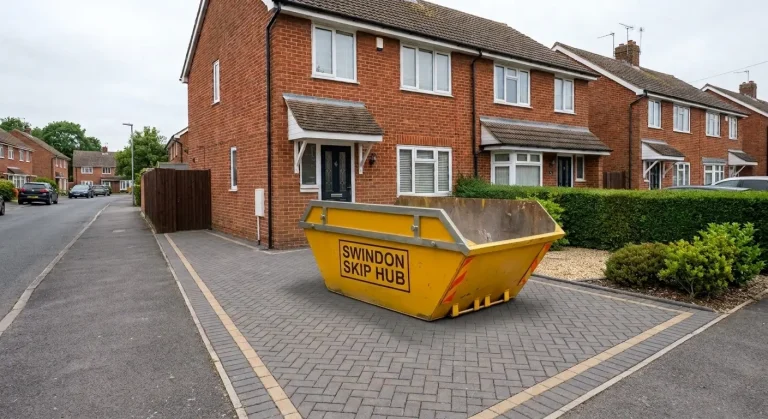
Skip delivery often runs into issues when the placement area isn’t ready. Limited access, parked vehicles, or weak ground conditions can make it difficult to position the skip safely, leading to delays or last-minute changes.
Make sure to prepare your site before the skip delivery. Keep the area clear and ensure that the ground is solid to keep everything straightforward on the day.
3. Overfilling the skip
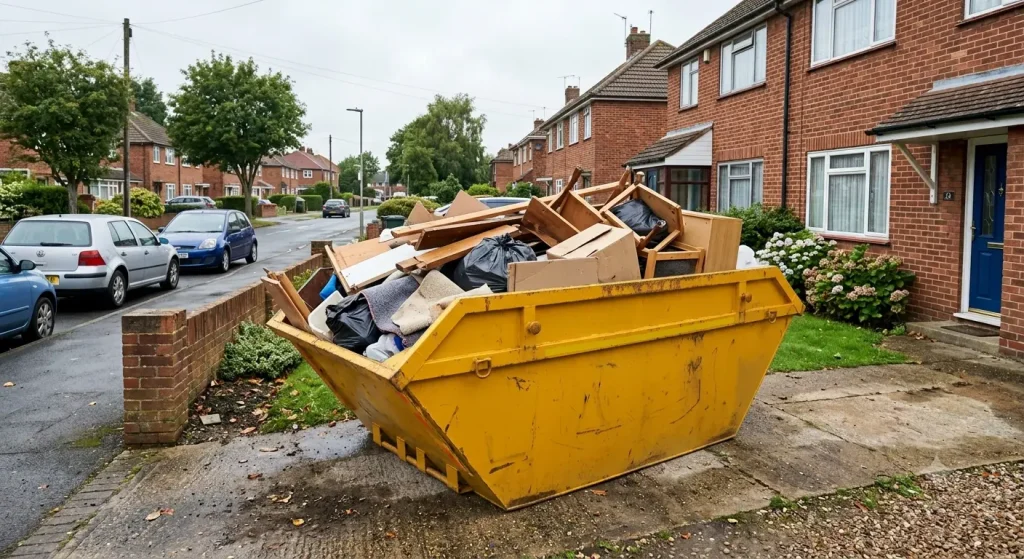
Filling a skip beyond its sides might seem like a quick way to save space, but it can cause real problems during collection. For safety reasons, overloaded skips are often refused, which can lead to delays and extra charges.
If you’re consistently close to the fill line, it’s usually a sign the size wasn’t quite right for the job. Choosing the correct size from the start not only keeps things compliant but also avoids the hassle of rearranging or removing excess waste later.
4. Putting in banned items
Certain items can’t be disposed of in a standard skip, and including them can lead to collection issues or additional charges. Common examples include asbestos, batteries, paint, gas cylinders, fridges, and most electrical appliances.
If you’re ever unsure, it’s worth checking the Environment Agency’s Waste Guidance on hazardous waste to avoid any surprises and ensure your skip is collected without problems.
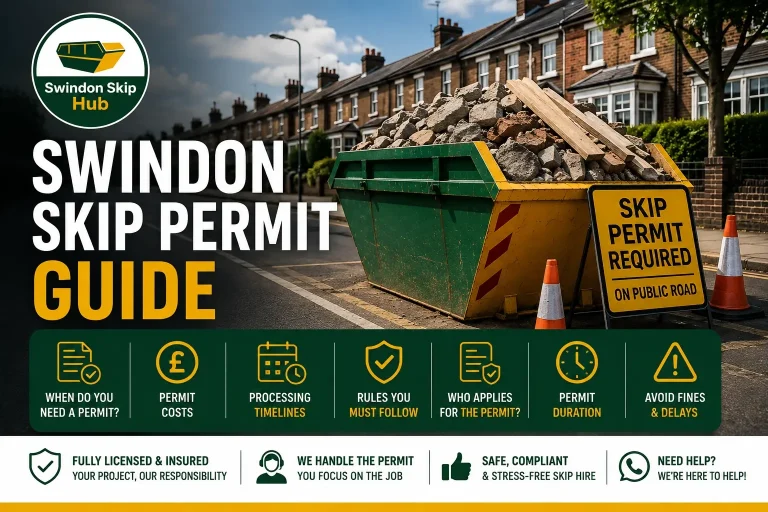
5. Ignoring permit rules
Skips placed on private property, such as a driveway, usually don’t require a permit. But if the skip is going on a public road or pavement, a council permit is essential.
If you place a skip without taking out a licence, it can lead to fines and delays. So, it’s always best to sort this in advance to keep your project running smoothly.
6. Booking a Skip for too short a period
Projects often take longer than expected, and having your skip collected before you’ve finished loading it can create unnecessary issues and extra costs for a return delivery. It’s usually better to allow a bit of extra time from the start, so you’re not rushed and can complete the job without interruptions.
7. Leaving the skip unsecured
An open skip left out overnight is an easy target for fly tipping, and you’re still responsible for whatever ends up inside it. To avoid this, it’s important to keep your skip safe by placing it in a visible area, using a cover when possible, and ensuring it’s not easily accessible to others. If it does happen anyway, knowing what to do next makes it far easier to sort out.
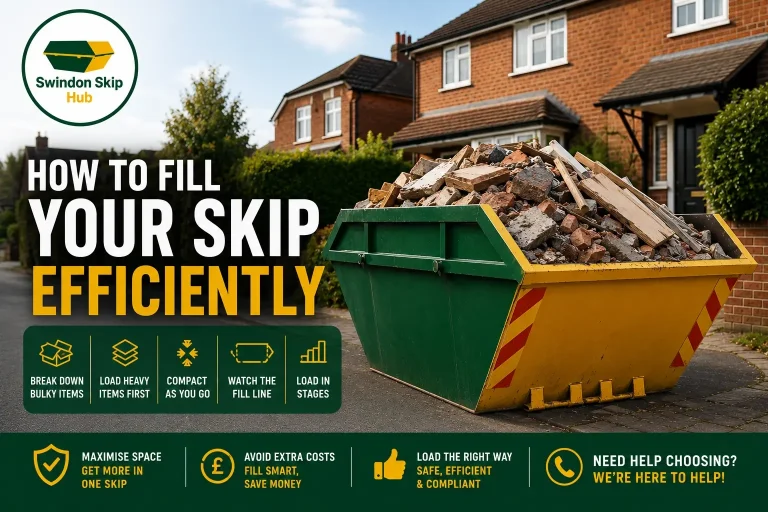
8. Loading it inefficiently
Loading a skip without any plan can waste a lot of space. It means you run out of room sooner than expected. To avoid this, fill your skip smartly by breaking down bulky items, load heavier waste at the bottom, and fill gaps as you go.
9. Booking too late
From our team’s experience, demand for skips can spike quickly around bank holidays, sunny weekends, and post-festive clear-outs, so leaving your booking until the last minute often means limited options or delays. It’s always better to book a few days in advance to secure the size and date you actually need.
10. Choosing a provider on price alone
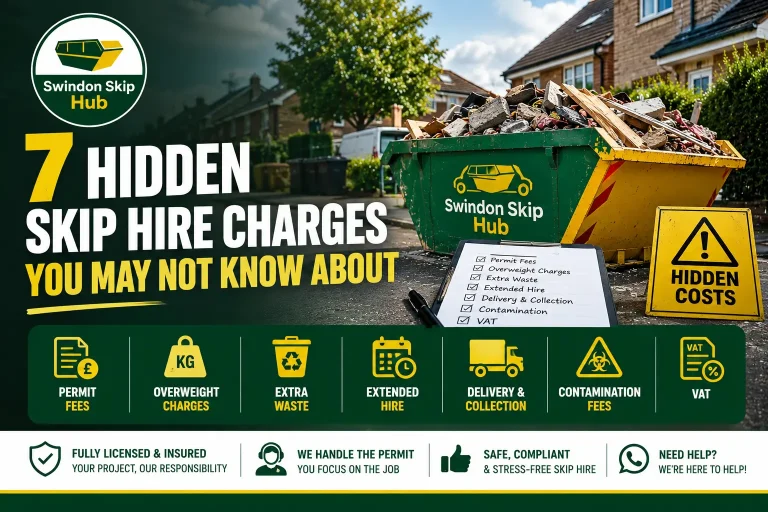
The cheapest quote isn’t always the best value if it comes with poor communication or unclear pricing. A provider that’s upfront about cost and easy to reach usually saves more effort than a few pounds saved upfront. Swindon Skip Hub keeps things simple, with clear pricing from the start and no unexpected costs hidden away in the small print.
Conclusion
Hiring a skip doesn’t have to be complicated. By choosing the right size, preparing your delivery area, complying with local permit requirements, and loading the skip correctly, you can prevent most common problems that cause delays or extra costs.
A little planning before your skip arrives can make the entire process much easier. In this article, I’ve guided you about the top 10 skip hire mistakes people make and how you can avoid them. If you still face any issues, feel free to contact us.